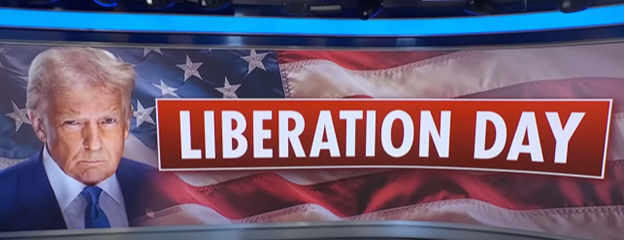
On April 2, President Trump unveiled new tariffs on nearly all U.S. major trading partners, referring to the move as "Liberation Day." Dubbed as "reciprocal" in nature, these measures correspond to tariffs that each country already imposes on U.S. goods, in addition to previously announced duties assessed by the U.S. The average tariff rate across affected countries is 25%, with some rates reaching as high as 49%.
Although the White House pre-signaled the implementation of these tariffs, their scale and reach were larger than many investors and economists had anticipated. This led to an immediate negative market reaction, with the S&P 500 dropping more than 4% by midday on April 3.
Christopher Cannon, president of RetireRight Financial Planning and a fellow member of Kestra Financial, has posted a brief, informative video that I am sharing with our clients. Please click here to watch Special Update: Liberation Day Reciprocal Tariffs and the Market Reaction and make sure to stay tuned until the end, where a conclusion is reached regarding how this current period of volatility may end, one which we agree with. As always, feel free to reach out to us with any concerns or questions.